Home New

The Academy of Humanopathy trains medical doctors and certified health professionals to integrate complementary therapies into clinical practice. Our graduates develop stronger therapeutic connections with patients and learn to assess health conditions from multiple medical perspectives. Our online postgraduate programme integrates Western medicine with complementary therapies, biophotonic technologies, biophotonic technologies, and biofield assessment methods.

Our courses integrate established therapeutic systems with current medical science. We offer a dual diploma programme in Humanopathy and Homeopathy, accredited by Hahnemann College and the London College of Homeopathy. We're training many practitioners worldwide, building a global community of professionals committed to making real change in healthcare.

Access the full curriculum: eight core modules plus specialist courses taught by practising clinicians from the UK, USA, Greece, India, Russia, and Spain. Each module includes learning objectives, recaps, assessments, live sessions, and ongoing support after graduation.

Postgraduate Training in Humanopathic Medicine

Become one of the first certified Humanopathy Practitioners and see if you are eligible to apply for a tuition grant.

Clinical & Therapeutic Masterclasses

Beyond our postgraduate training programme, we offer specialised scientific courses taught by practising medical experts across different fields to deepen your expertise.

Medicine of the Energy Fluids

Ancient wisdom meets modern medicine. Rooted in Aristotle and Plato, this course traces energy fluid theory to clinical application.
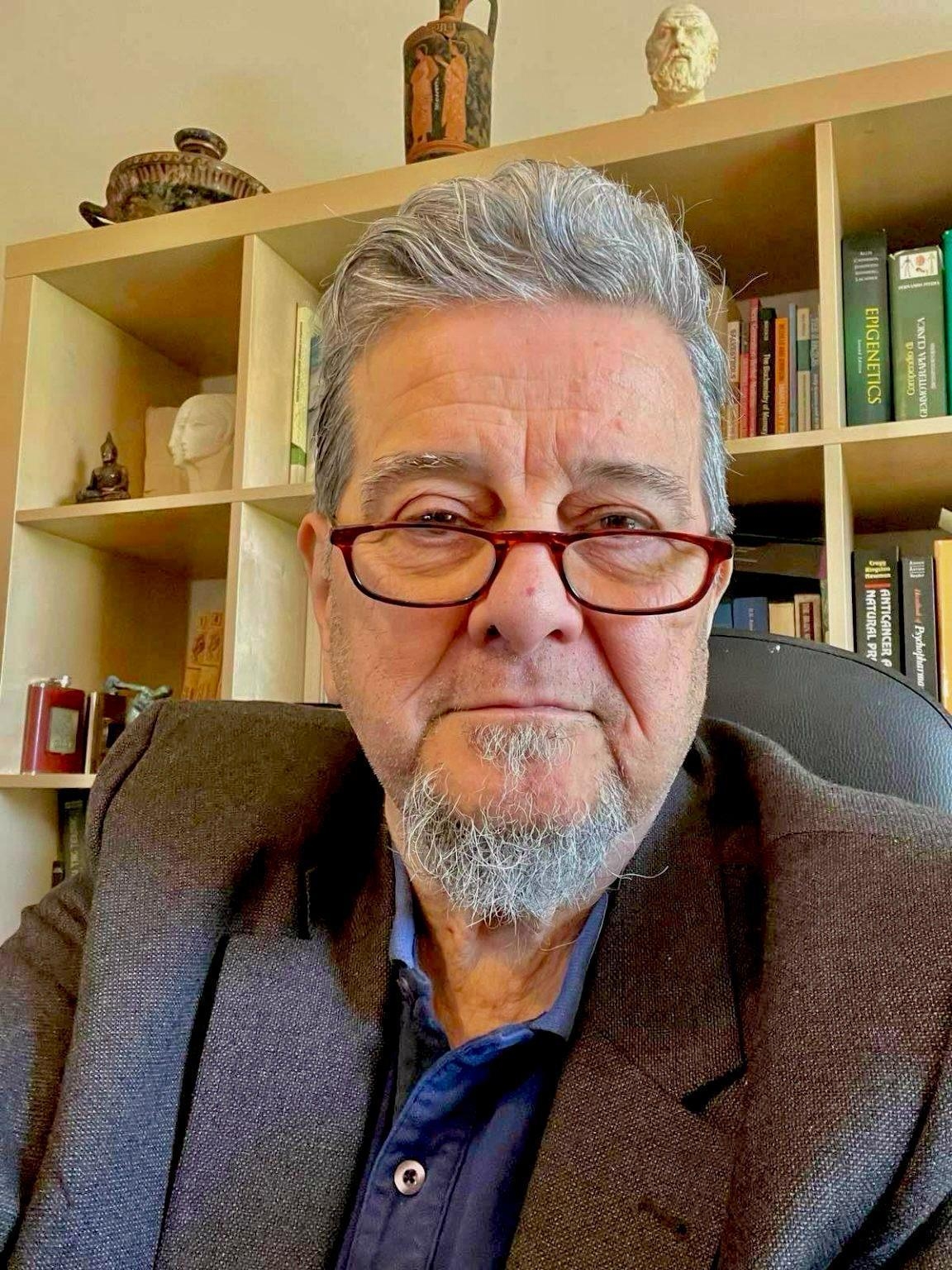
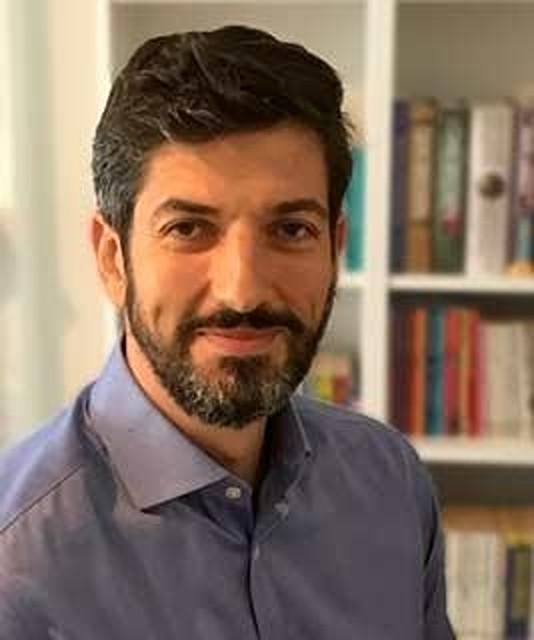
Dr. Nikos Papandreou MD

Holistic Approach in Oncology

Cancer treatment as seen holistically. Integrating clinical oncology with whole-person care, going beyond conventional approaches.
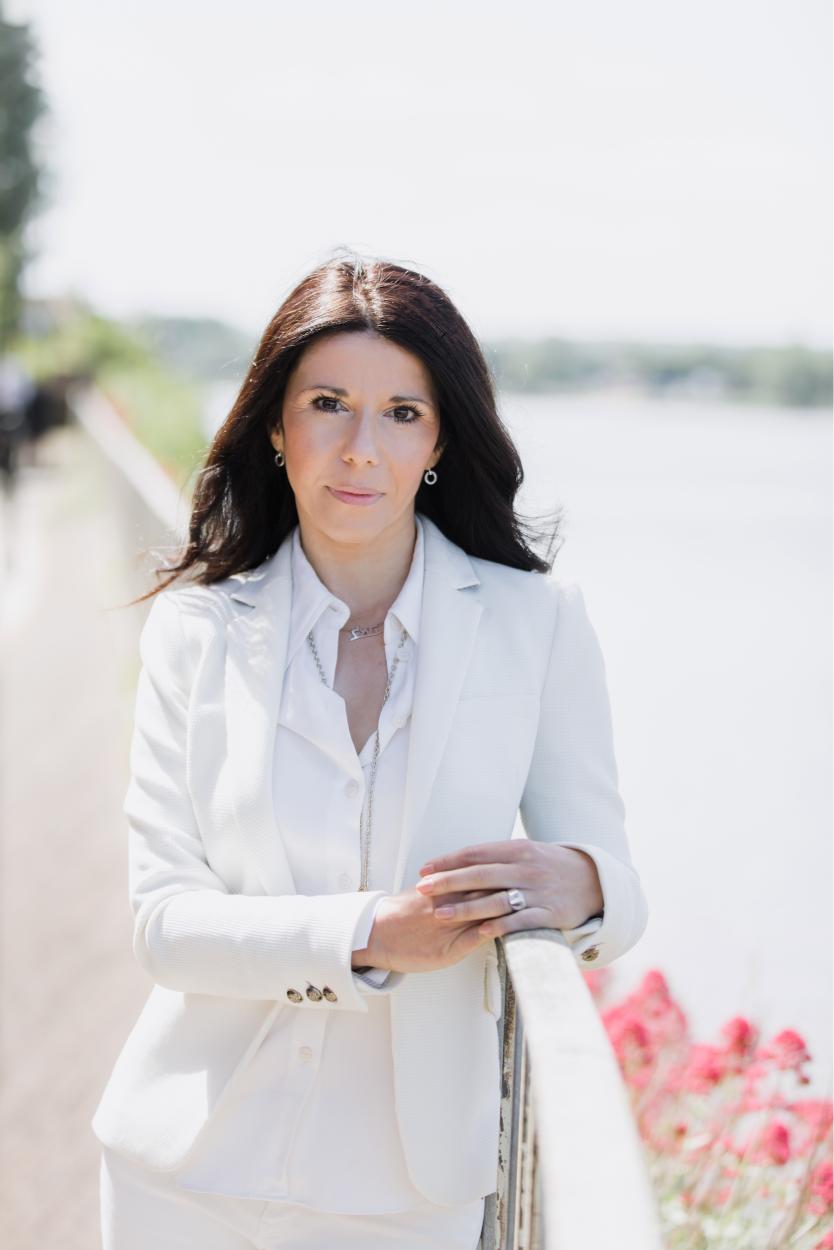
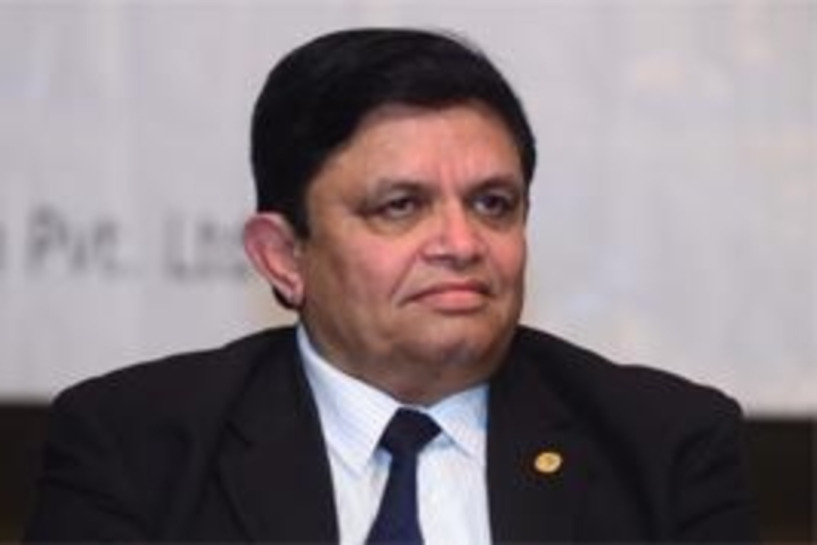
Dr. Aleksandra Filipovic MD PhD

Epigenetics and Personalised Medicine

Epigenetics and personalised genetic exploration in cancer. How environment and lifestyle reshape gene expression.
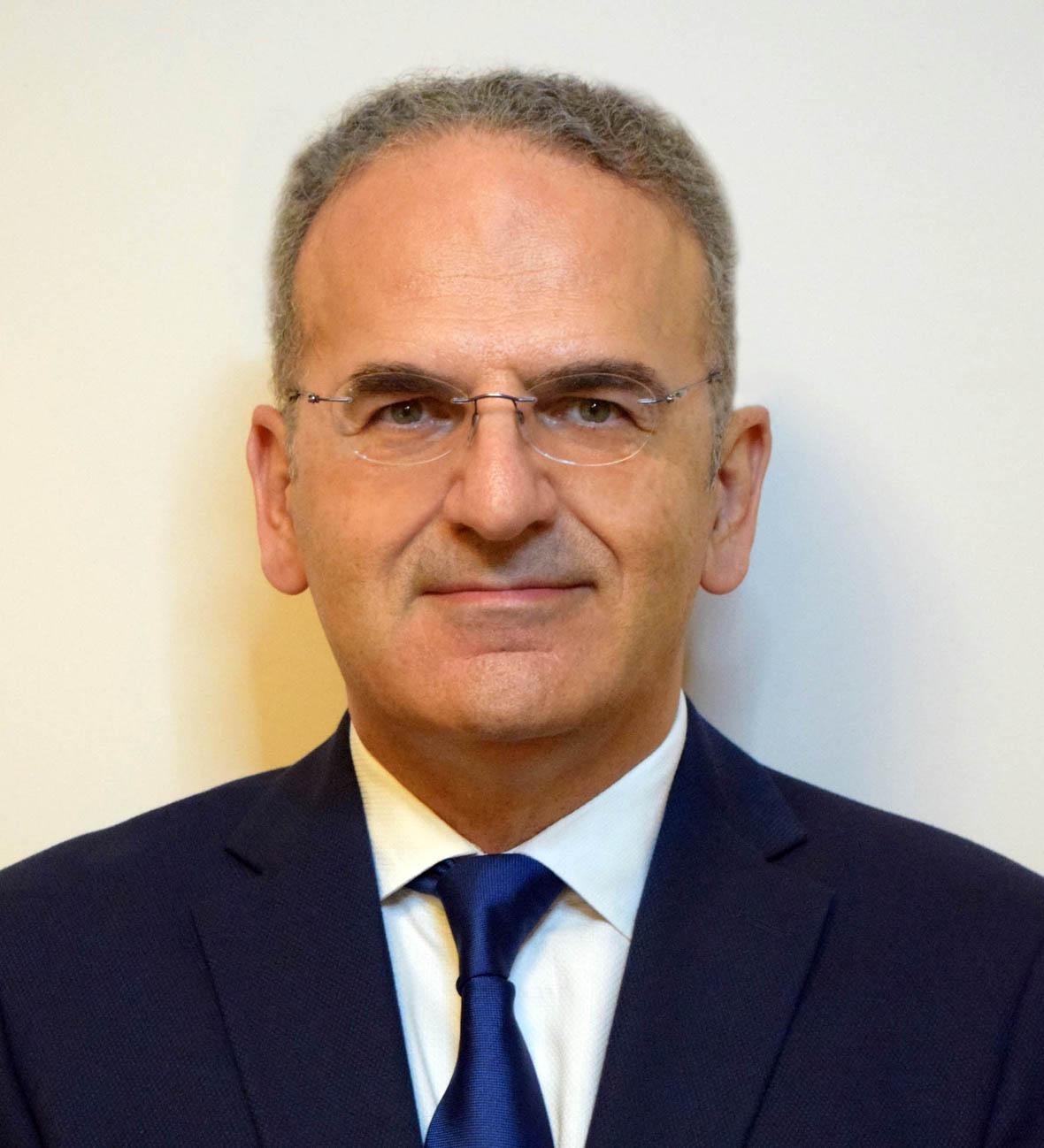
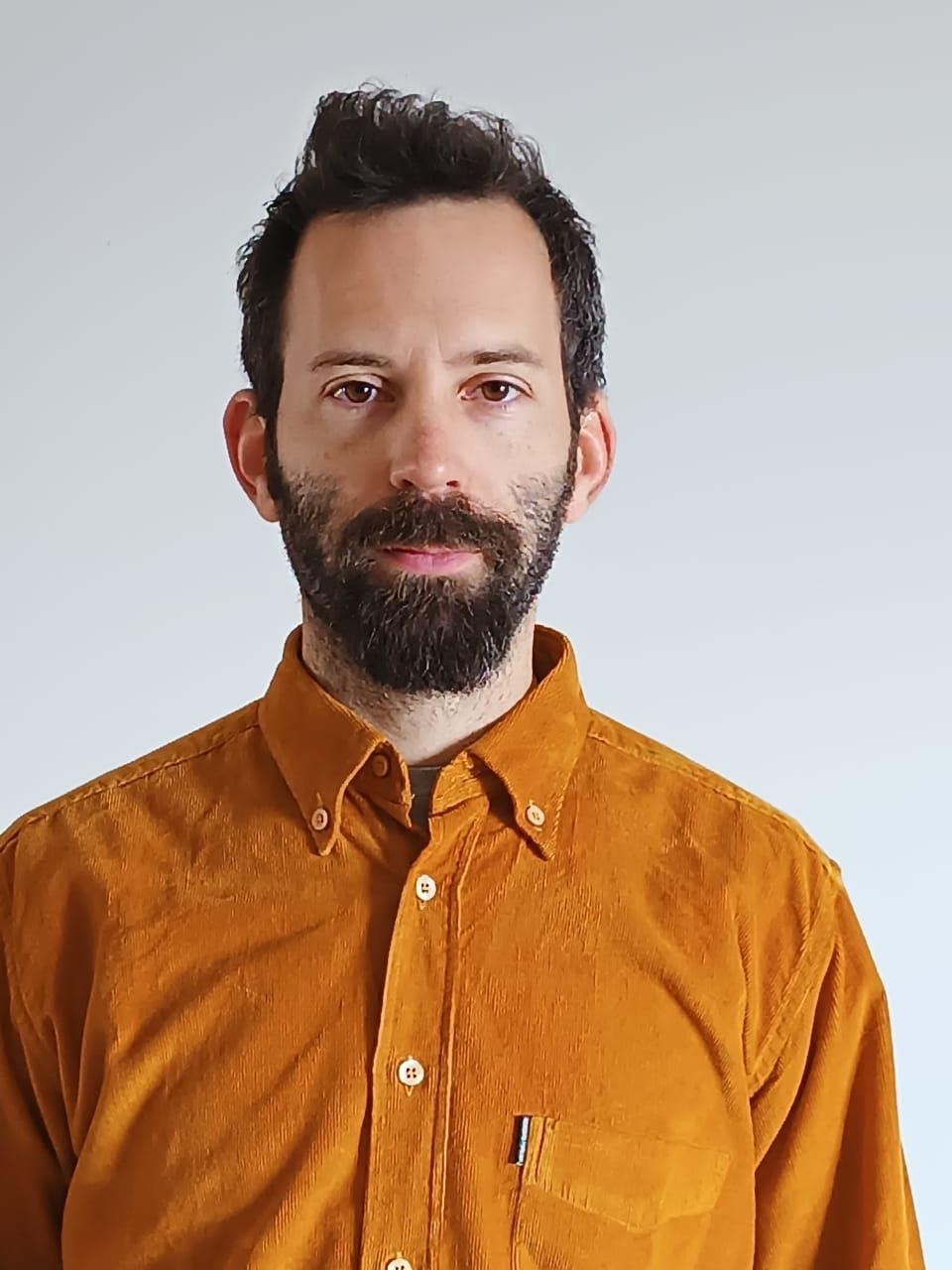
Sotiris Nikolopoulos, PhD MS

Trauma Release with Peptides and Amino acids

Peptide and amino acid protocols for nervous system regulation, trauma release, and stress recovery.
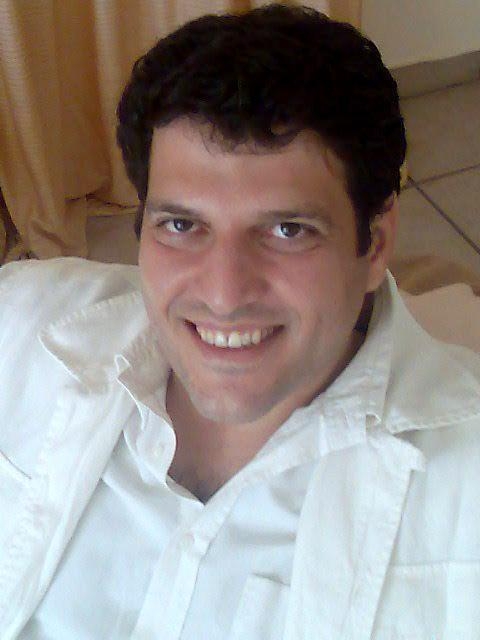
Dr. Yiannis Bouhelos MD

Decoding the Body’s Subconscious Communication

The body speaks before the mind does. Learn to read physical symptoms as expressions of deeper emotional patterns.
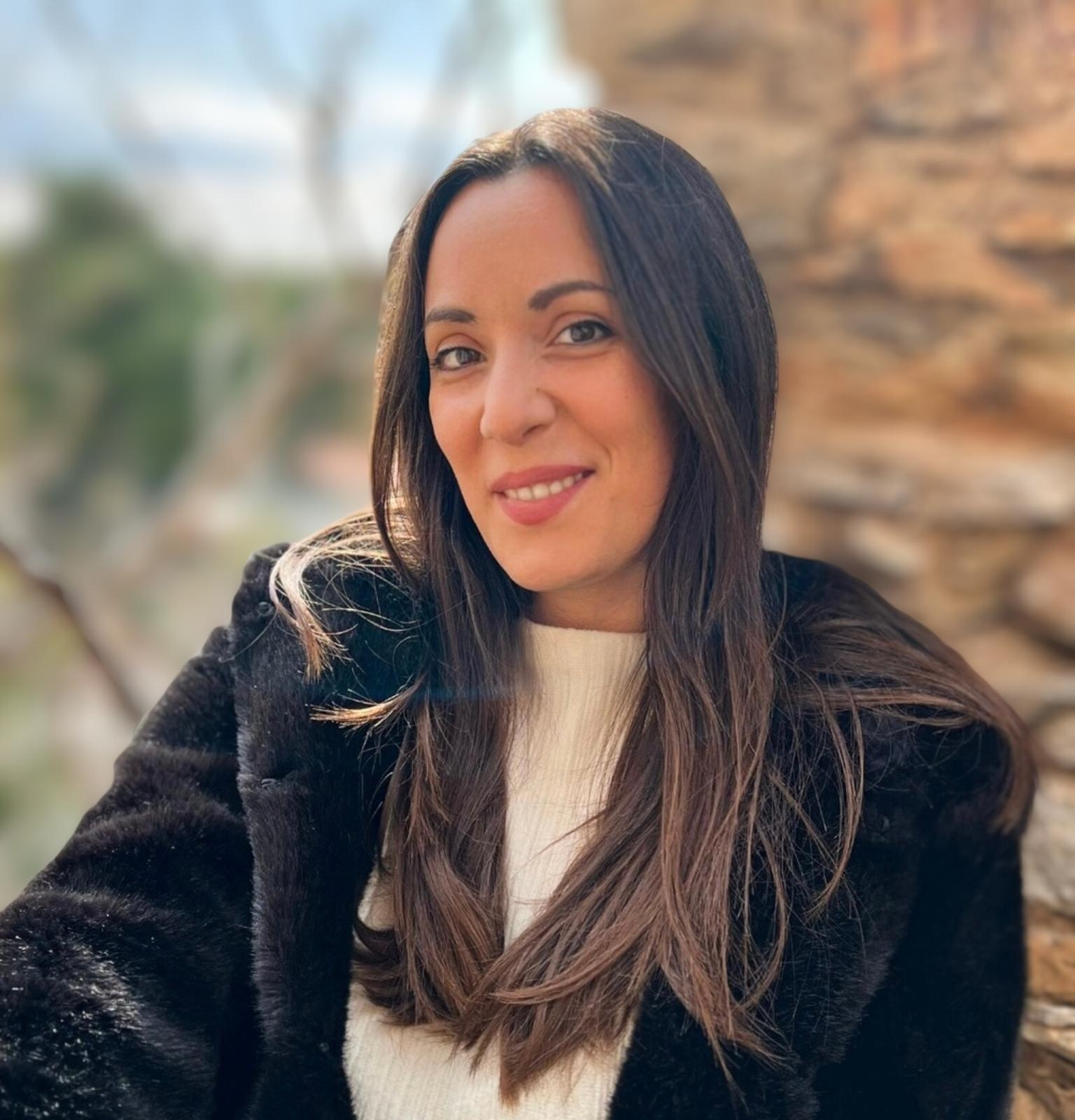
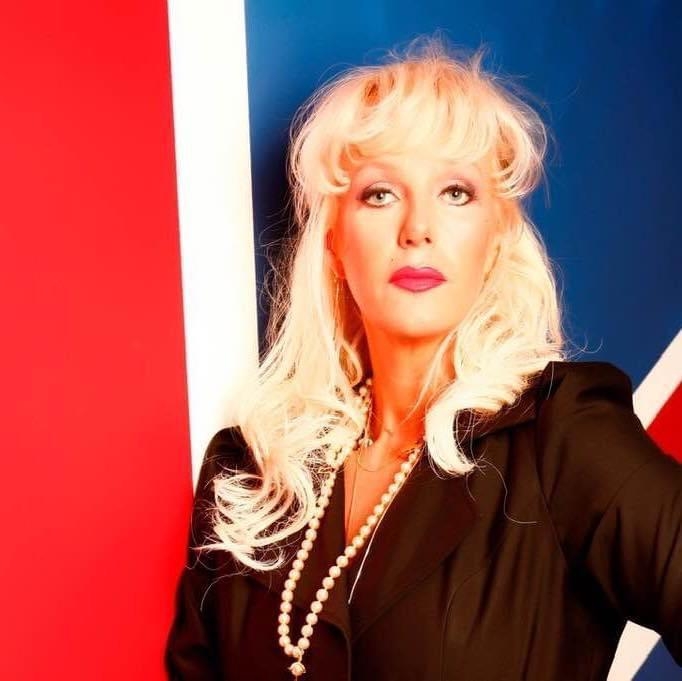
Stefi Daskalopoulou

Everyday Harmony: An Introduction to the First Level of Bach Flower Remedies

Patient emotional profiling, remedy selection, and clinical integration of Bach Flower prescribing.
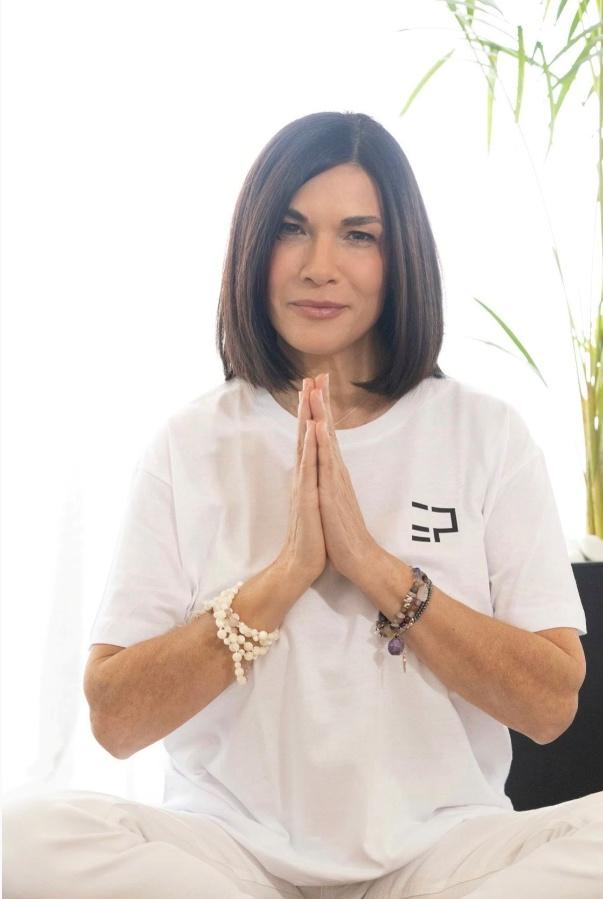
Daphne Vakali
Structured Online Training

Each module includes learning objectives, recaps, assessments, and review sections. Average completion time: 5-7 hours per module.

Flexible Schedule
Complete the courses at your own pace while following the academy’s structured roadmap for one-year completion. You control when and how you study based on your professional commitments.
Live Training Sessions
Join monthly live online sessions with educators. All sessions are recorded for later access. After completing the programme, you gain ongoing access to live coaching support.
Qualification
Medical doctors receive a Postgraduate Diploma in Humanopathy. Certified health professionals receive a Postgraduate Certificate in Humanopathy.

Frequently Asked Questions

What is Humanopathy?
Humanopathy is an integrative approach to healthcare that combines Western medicine with complementary therapies, psychology, lifestyle medicine, and biofield science to treat the whole person. The Academy of Humanopathy is a London-based postgraduate institution that trains medical doctors and health professionals in this whole-person approach.
What is integrative medicine, and how is it different from alternative medicine?
Integrative medicine combines evidence-based conventional medicine with complementary therapies such as nutrition, psychology, traditional Chinese medicine, and lifestyle interventions. It does not replace Western medicine; it expands it. Alternative medicine typically refers to approaches used instead of conventional treatment. The Academy of Humanopathy trains practitioners to work alongside Western medicine, not as an alternative to it.
Is the Academy of Humanopathy accredited?
Yes. The Academy holds accreditation from the Complementary Medical Association (CMA), Hahnemann College of Homeopathy, and the London College of Homeopathy. The London College of Homeopathy is independently accredited by the British Accreditation Council (BAC) and the Registration Society of Homeopathy UK (RSH UK). Graduates are eligible for CMA professional membership and listing in their international practitioner directory. The Academy is also pursuing RQF Level 7 university validation.
How long is the programme?
The postgraduate programme lasts one year. It is fully online, self-paced within a structured academic roadmap, and requires approximately 5–7 hours of study per week. You follow the Academy’s guided schedule while maintaining flexibility around your professional commitments. Monthly live sessions with faculty are recorded for later access.
Can I study while working full-time?
Definitely, yes. The programme was designed for working professionals. It requires approximately 5–7 hours per week, delivered fully online with self-paced study and monthly live sessions that are all recorded. Most students are medical doctors, therapists, and health practitioners in active practice. They study alongside their clinical work and apply what they learn directly with patients.
What qualifications do I receive on completion?
Medical doctors (MD, MBBS, or equivalent) receive a Postgraduate Diploma in Humanopathy. Certified health professionals receive a Postgraduate Certificate in Humanopathy. Both qualifications are accredited by Hahnemann College of Homeopathy, the London College of Homeopathy, and the Complementary Medical Association (CMA). Graduates are eligible for CMA professional membership.
Who can enrol in the programme?
The programme is open to three groups: qualified medical doctors (MD, MBBS, or equivalent), certified health professionals (nutritionists, therapists, naturopaths, and other certified practitioners), and career changers with no prior health qualification who enter through the two-year Dual Diploma Programme. All applicants undergo a personal consultation to confirm the right pathway and programme fit.
How much does the programme cost?
Tuition fees are set by region. Current rates are: USA and Canada — USD 5,500; UK and International — GBP 4,690; European Union — EUR 4,750; Greece — EUR 3,750. The Dual Diploma Programme requires separate tuition for Year 2 at the London College of Homeopathy (GBP 2,500). LCH graduates enrol at a reduced rate of GBP 2,500. All fees include course materials, live sessions, assessments, and CMA membership eligibility.
Is the qualification recognised internationally?
The Academy’s qualifications are accredited by UK-based professional bodies with international standing: the Complementary Medical Association (CMA), Hahnemann College of Homeopathy, and the London College of Homeopathy (BAC and RSH UK accredited). Graduates are eligible for CMA membership, which provides professional recognition and listing in an international practitioner directory. The Academy currently trains practitioners across 15 countries. Scope of practice after graduation depends on local regulations in your country.
Can I practise after completing the programme?
The programme is an educational qualification. Whether and how you can practise depends on your existing professional registration and the regulatory framework in your country. For medical doctors, it expands your clinical toolkit within your existing scope of practice. For certified health professionals, CMA membership on graduation provides professional standing and an international directory listing. For career changers, the Dual Diploma Programme provides a complete route to practice, combining the Humanopathic Medicine curriculum with a Professional Diploma in Homeopathy through the London College of Homeopathy.

Integrating Traditional Medicine with Therapeutic Awareness

International Faculty Network

Our educators include medical doctors, researchers, and professors from the UK, USA, Greece, India, Russia, Spain, and other countries. This international collaboration integrates expertise from diverse medical traditions and clinical approaches.

Biofield Technology Training

We train medical professionals to use electro-photonic imaging and biophotonic technologies in clinical practice. These advanced tools, taught by leading experts like Dr Konstantin Korotkov, enable holistic assessment beyond conventional diagnostic methods.

Bridging Medical Systems

Our curriculum integrates Western medical training with traditional systems, including homeopathy (accredited by Hahnemann College and The London College of Homeopathy), Chinese medicine, Siddha medicine, and integrative approaches. This combination provides multiple therapeutic perspectives for comprehensive patient care.

Therapeutic Communication and Empathy

Scientific Community Courses Beyond the postgraduate programme, we offer specialised courses from practising clinical experts, including oncology (Dr Aleksandra Filipovic), epigenetics and personalised medicine (Dr Sotirios Nikolopoulos), trauma release therapies (Dr Ioannis Bouchelos), and energy medicine (Dr Nikolaos Papandreou).

Scientific Community Courses

Beyond the postgraduate programme, we offer specialised courses from practising clinical experts, including oncology (Dr Aleksandra Filipovic), epigenetics and personalised medicine (Dr Sotirios Nikolopoulos), trauma release therapies (Dr Ioannis Bouchelos), and energy medicine (Dr Nikolaos Papandreou).

Humanitarian Commitment

A portion of the academy's profits funds humanitarian and philanthropic initiatives. We work to expand healthcare accessibility and support community health projects globally.

AI and Human-Centred Healthcare

We train practitioners to leverage artificial intelligence and advanced technologies as clinical tools while preserving the essential human element in patient care. Students learn to assess the human biofield and identify imbalances that contribute to disease.